
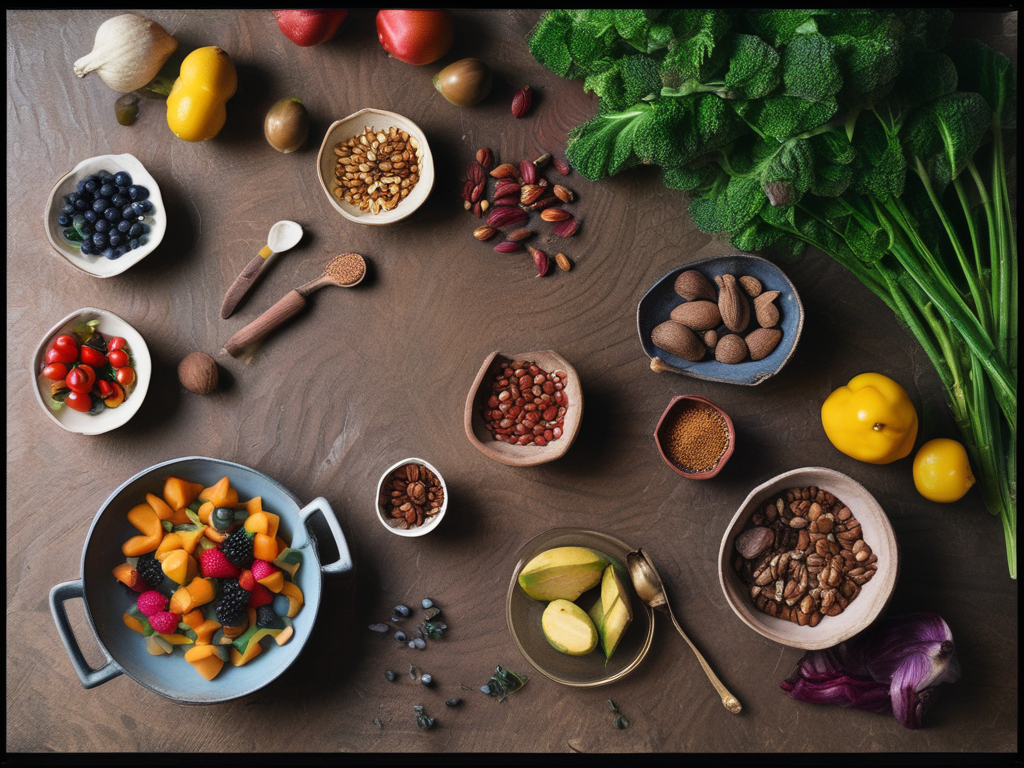
In today’s fast-paced world, we’re constantly bombarded with information about what to eat, leaving many of us feeling overwhelmed and confused. With so many diets and food trends to choose from, it’s easy to lose sight of what really matters—our well-being. But what if the key to a healthier life lies not in complexity, but in simplicity? Streamlining your eating habits might just be the answer to a healthier gut and a more balanced lifestyle. This approach not only nourishes your body but also brings a sense of calm and order to your everyday life—a refreshing antidote to the chaos around us.
The Pitfalls of Complex Eating Habits

Many contemporary eating habits are anything but simple. They often involve intricate meal plans, rigorous tracking of every bite, or reliance on a myriad of supplements. While these approaches can sometimes yield results, they frequently come at a cost, particularly when it comes to gut health.
Common Pitfalls of Overcomplicated Diets:
- Overconsumption of Packaged Goods: Even diets labeled as “healthy” can include overly processed items loaded with hidden sugars, preservatives, and artificial additives that can upset the delicate balance of the gut.
- Lack of Nutritional Harmony: Diets that completely eliminate entire food groups can create imbalances in nutrients, leading to digestive discomfort and long-term health issues.
- Dependency on Pills and Powders: Relying too heavily on supplements instead of real, unprocessed food can deprive the digestive system of the natural fibers and nutrients it needs to thrive.
- Stress-Inducing Food Choices: The anxiety that comes with trying to adhere to a strict eating regimen can negatively affect digestion and overall gut health.
Overcomplicated eating habits can disrupt the gut microbiome—the diverse community of microorganisms that play a critical role in digestion, immune function, and mental health. An imbalanced gut microbiome can lead to digestive issues such as bloating, irregularity, and more serious chronic conditions like Irritable Bowel Syndrome (IBS).
A Simpler Path to Wellness
The foundation of a healthier gut doesn’t require a complicated plan; instead, it starts with a return to the basics. By prioritizing natural, unrefined foods and adopting mindful eating practices, you can support your gut’s health more effectively and sustainably.
Steps to Streamline Your Eating Habits:
- Embrace Whole Foods: Choose items in their most natural form—fresh fruits, vegetables, whole grains, nuts, seeds, and lean proteins. These foods are rich in essential nutrients and fibers that are crucial for a healthy gut.
- Reduce Intake of Processed Goods: Limit your consumption of packaged foods, particularly those high in added sugars, unhealthy fats, and artificial ingredients that can upset the gut’s balance.
- Increase Fiber Intake: A diet rich in fiber is essential for gut health. Incorporate foods like leafy greens, oats, legumes, and berries, which help feed beneficial bacteria and promote a balanced gut environment.
- Adopt Mindful Eating: Take your time when eating and pay attention to your body’s signals of hunger and fullness. Mindful eating reduces stress, aids digestion, and fosters a healthier relationship with food.
- Stay Hydrated: Proper hydration is key to digestion. Drinking plenty of water helps maintain the mucosal lining of the intestines and supports a healthy balance of gut bacteria.
Foods to Limit and Foods to Emphasize
To further refine your approach to eating, it’s important to recognize which foods to limit and which to emphasize in your daily diet.
Foods to Limit:
- Sugary Drinks: These beverages are often high in sugar and low in nutrients, which can encourage the growth of harmful bacteria in the gut.
- Artificial Sweeteners: Common in diet foods, these can disrupt the gut’s natural balance and cause digestive discomfort.
- Processed Meats: High in unhealthy fats and preservatives, these can have a negative impact on gut health.
- Refined Carbohydrates: Stripped of their natural fiber, refined grains can cause spikes in blood sugar and provide little benefit to the gut.
Foods to Emphasize:
- Fermented Foods: Items like yogurt, kefir, sauerkraut, and kimchi are rich in probiotics, which help maintain a healthy gut microbiome.
- Green Vegetables: Spinach, kale, and other greens are packed with fiber and nutrients that support gut health.
- Whole Grains: Foods like brown rice, quinoa, and oats are excellent sources of fiber, which is essential for a healthy digestive system.
- Lean Proteins: Chicken, fish, and plant-based proteins like beans and lentils provide essential nutrients without overwhelming the gut.
The Science Behind a Streamlined Diet
Numerous studies have demonstrated the benefits of a diet rich in natural, unprocessed foods. Research published in Nature has shown that diets high in plant-based fibers can promote a diverse and healthy gut microbiome, which is linked to reduced inflammation and a lower risk of chronic diseases.
Another study featured in the Journal of Gastroenterology found that regular consumption of fermented foods rich in probiotics can improve digestive health and support the immune system.
Final Thoughts
Simplifying your diet is more than just a trend—it’s a sustainable approach to improving gut health and enhancing overall wellness. By focusing on natural foods and adopting mindful eating habits, you can nourish your body, support your digestive system, and achieve a greater sense of balance in your life. Whether you’re new to the idea of simplicity or have long embraced it, streamlining your diet can be a powerful step toward a healthier, more harmonious existence.
 sereniscape.org
Leave a comment