In our fast-paced world, finding moments of calm can feel challenging. Essential oils, with their soothing and therapeutic properties, offer a natural and accessible way to bring relaxation into your daily routine. Whether you’re new to essential oils or looking to deepen your practice, this guide will introduce you to some easy-to-find oils and provide simple methods to incorporate them into your life.
What Are Essential Oils?
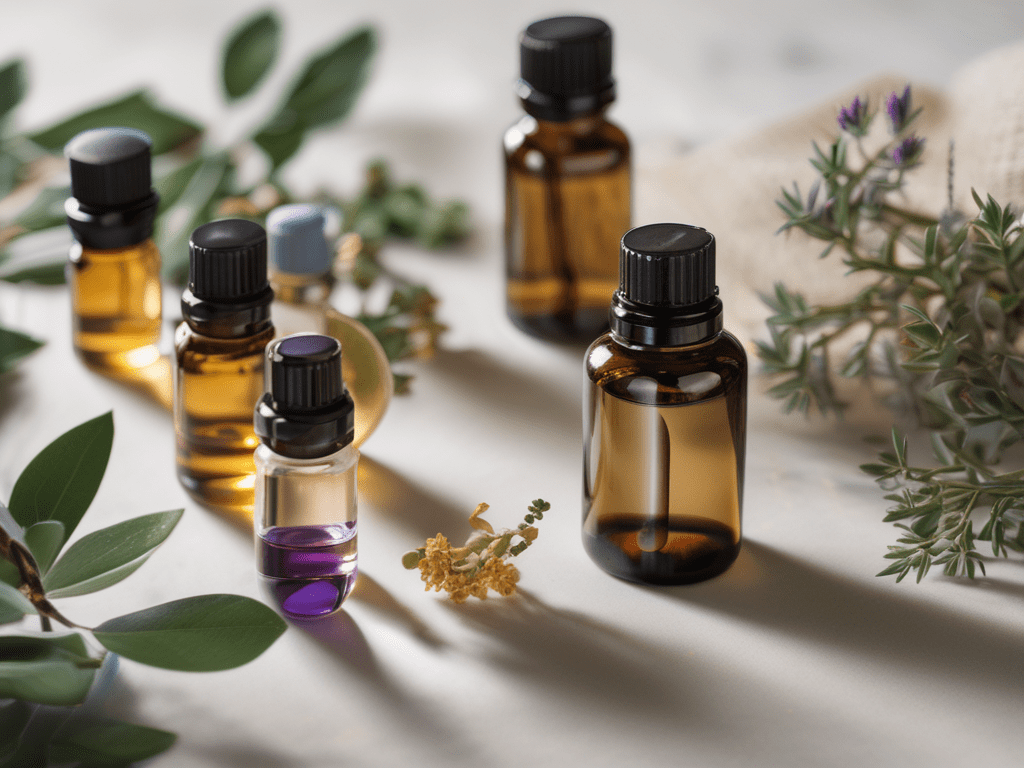
Essential oils are concentrated plant extracts that capture the essence, scent, and beneficial properties of their source. Used for centuries in aromatherapy, they are known to help reduce stress, improve sleep, and promote overall well-being.
Top 5 Essential Oils for Relaxation
- Lavender
- Why It’s Relaxing: Lavender is one of the most popular essential oils for relaxation. Its floral scent is known for its calming and soothing properties, making it a go-to for easing stress and enhancing sleep quality.
- How to Use: Add a few drops to a diffuser before bed to create a peaceful atmosphere, or mix it with a carrier oil like coconut oil and apply it to your temples and wrists for a calming effect throughout the day.
- Chamomile
- Why It’s Relaxing: Chamomile, particularly Roman Chamomile, has a sweet, apple-like scent that helps ease anxiety and promote relaxation. It’s also excellent for encouraging restful sleep.
- How to Use: Create a calming bath by adding a few drops to warm water, or diffuse it in your bedroom to prepare for a peaceful night’s sleep.
- Bergamot
- Why It’s Relaxing: With its citrusy yet slightly floral scent, Bergamot is both uplifting and calming. It’s particularly effective for reducing feelings of anxiety and improving mood.
- How to Use: Diffuse during stressful moments to create a soothing environment, or mix it with a carrier oil for a calming massage.
- Frankincense
- Why It’s Relaxing: Known for its grounding properties, Frankincense has a warm, woody scent that promotes a sense of peace and relaxation. It’s often used in meditation practices to deepen focus and tranquility.
- How to Use: Add a drop to your diffuser during meditation or mix it with a carrier oil and apply it to your chest to encourage deep, calming breaths.
- Ylang Ylang
- Why It’s Relaxing: Ylang Ylang has a sweet, floral scent that is both calming and uplifting. It’s particularly effective for easing feelings of anxiety and promoting a sense of inner peace.
- How to Use: Diffuse during your relaxation time or add to a warm bath for a luxurious, calming experience that soothes the senses.
How to Use Essential Oils for Relaxation
- Diffusion
Using a diffuser is one of the easiest and most effective ways to enjoy the benefits of essential oils. Add 5-10 drops of your chosen oil to the water in your diffuser, and let the calming scent fill your space, creating an atmosphere of tranquility. - Topical Application
Essential oils can be applied to the skin when diluted with a carrier oil, such as coconut, jojoba, or almond oil. A safe dilution ratio is typically 3-5 drops of essential oil per tablespoon of carrier oil. Apply the mixture to pulse points like your wrists, temples, or the back of your neck to experience the calming effects throughout the day. - Bath Soak
Elevate your bath experience by adding 5-10 drops of essential oil to warm water. The heat helps release the aromatic properties of the oil, transforming your bath into a relaxing, spa-like experience. For an added touch of luxury, mix the essential oil with Epsom salts before adding them to your bath. - Inhalation
For a quick and effective stress-relief method, place a drop or two of essential oil on a tissue or cotton ball, and inhale deeply. You can also place a drop on your pillow before bed to promote restful sleep, allowing you to drift off in a serene state of mind.
Safety Tips for Beginners
- Always Dilute: Essential oils are highly concentrated and should always be diluted with a carrier oil before applying to the skin to avoid irritation.
- Patch Test: Before using any essential oil topically, perform a patch test on a small area of your skin to ensure you don’t have an allergic reaction.
- Avoid Ingestion: Essential oils should not be ingested unless under the guidance of a qualified health professional, as they can be toxic when consumed.
Where to Find Essential Oils
Essential oils are widely available and can be purchased online, at health food stores, or in the wellness section of many supermarkets. When shopping, look for pure, 100% essential oils without added synthetic fragrances to ensure you’re getting the full therapeutic benefits.
Conclusion
Incorporating essential oils into your daily routine is a simple yet effective way to promote relaxation and enhance your well-being. Whether you choose to diffuse them in your home, apply them to your skin, or add them to a bath, these natural scents can help you create a serene environment that supports a calm and balanced life. Start with the oils that resonate most with you, and enjoy the journey to a more peaceful state of mind.
 sereniscape.org
Leave a comment