
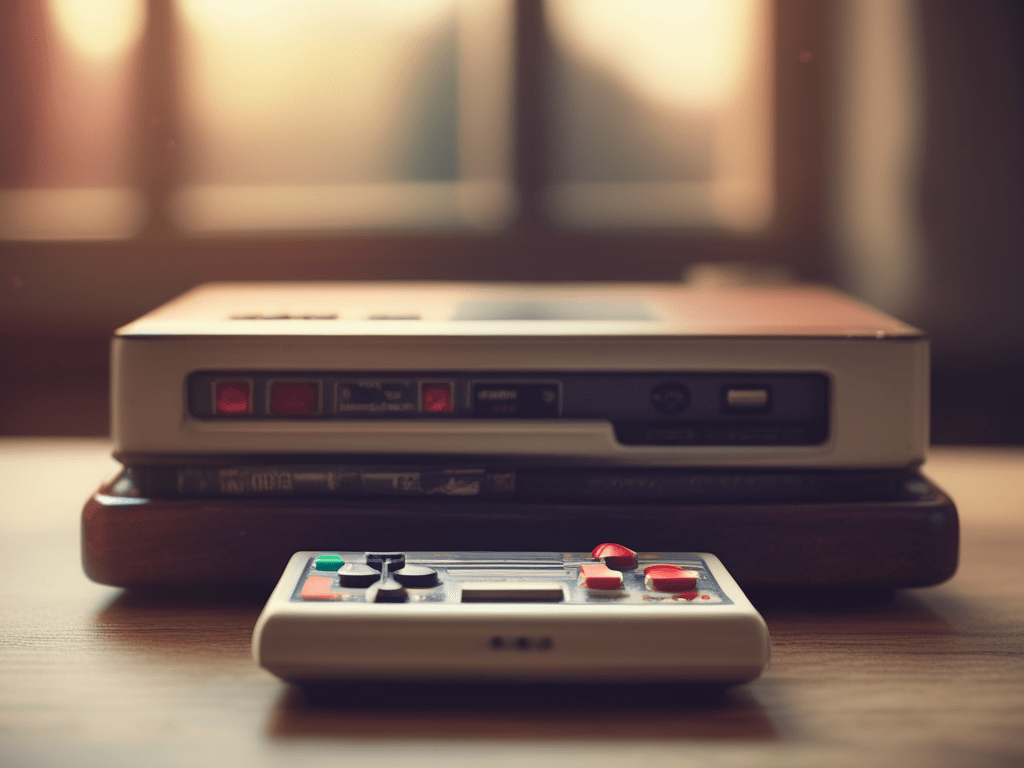
Nostalgia is a powerful force, capable of transporting us back to simpler times, evoking memories of childhood, friendships, and the thrill of discovery. In the world of video games, this nostalgic pull is especially potent. Whether it’s through remastered versions of beloved classics, retro-styled indie games, or the re-release of vintage consoles, the gaming industry has tapped into our collective desire to revisit the past. But what is it about these old games that keeps us coming back? The answer lies deep within the psychology of nostalgia and how it intertwines with our experiences as gamers.
The Emotional Anchor: Games as Milestones
For many, video games are more than just a pastime; they are emotional anchors, tied to significant moments in life. The first time you defeated Bowser in Super Mario Bros., the thrill of catching Mewtwo in Pokémon Red/Blue, or the countless hours spent exploring Hyrule in The Legend of Zelda: Ocarina of Time—these moments are etched in memory not just as gaming achievements, but as milestones in personal history.
This connection between gaming and life events is what makes nostalgia in video games so powerful. When we revisit these games, we’re not just playing for the sake of gameplay; we’re re-experiencing the emotions and memories tied to them. It’s a form of time travel, a way to reconnect with our past selves and the joy we felt during those times.
The Comfort of Familiarity: Predictability in a Chaotic World
Another key aspect of nostalgia in gaming is the comfort of familiarity. In an increasingly unpredictable world, the reliability of an old favorite can be incredibly soothing. These games are known quantities—there are no surprises, no sudden changes in mechanics or storylines. The levels, the music, the characters, and even the game glitches are all familiar, offering a sense of control and stability.
This is particularly relevant today, where uncertainty in the world—whether due to personal circumstances, global events, or rapid technological change—can lead to heightened stress and anxiety. Nostalgic gaming provides a safe haven, a predictable environment where players can escape and unwind.
Cognitive Rejuvenation: The Brain’s Love for Patterns
From a cognitive perspective, our brains love patterns. When we replay a familiar game, our brains recognize the patterns of gameplay, story, and visuals, which can stimulate positive feelings. The act of replaying these games can be akin to solving a puzzle we already know the solution to—it’s satisfying because it’s challenging enough to engage our minds but familiar enough not to be stressful.
Interestingly, this cognitive rejuvenation isn’t just about ease. It’s about mastery. Revisiting these games allows us to exercise a sense of mastery that might have been elusive the first time around. That boss that gave us trouble as a kid? Now we beat it with ease, reinforcing a sense of growth and accomplishment.
The Rose-Tinted Glasses Effect: Enhancing the Past
Nostalgia is often selective. Our brains have a tendency to filter out the less pleasant aspects of past experiences and highlight the good parts. This “rose-tinted glasses” effect is particularly evident in how we remember video games. The frustrating levels, the clunky controls, or the less-than-stellar graphics often fade into the background, leaving us with a polished, idealized version of the game in our memory.
When we replay these games, we may be surprised at how different they feel from what we remembered. Yet, this doesn’t diminish our enjoyment. Instead, it adds layers to our experience—reconciling the idealized version in our memory with the reality of the game itself. This process can even deepen our appreciation for the game, as we understand it within the context of both our past perceptions and our present experience.
The Social Bond: Nostalgia as a Shared Experience
One often overlooked aspect of nostalgia in gaming is its social dimension. Nostalgia is not just a solitary experience; it’s also a shared one. Many of us played these games with friends or siblings, bonding over multiplayer sessions, trading secrets, or simply watching each other play. The re-emergence of retro games often rekindles these social connections, leading to a resurgence of communal play.
This shared nostalgia is evident in the rise of gaming communities that focus on retro games. Whether it’s through online forums, social media groups, or even in-person meetups, these communities celebrate the games of the past, creating a space where like-minded individuals can share their memories and experiences. This communal aspect of nostalgia enriches the gaming experience, transforming it from a personal trip down memory lane into a collective celebration of the past.
Beyond the Game: Nostalgia as a Cultural Phenomenon
Nostalgia in video games isn’t just about the games themselves—it’s part of a broader cultural phenomenon. The resurgence of retro aesthetics in art, music, and fashion reflects a collective yearning for the past, a desire to recapture the essence of a time that feels simpler and more authentic. Video games, as a key part of our cultural landscape, naturally play a significant role in this movement.
Interestingly, this cultural nostalgia is not just about looking back; it’s also about shaping the present and future. Modern games that draw on retro aesthetics, such as Shovel Knight or Celeste, are not mere imitations—they reinterpret and innovate within the framework of the past. This fusion of old and new creates a unique experience that appeals to both veteran gamers and new players, bridging generational gaps.
Conclusion: The Timeless Appeal of Nostalgia in Gaming
Nostalgia in video games is more than just a longing for the past—it’s a complex, multifaceted experience that taps into our emotions, memories, and social connections. It offers comfort in familiarity, cognitive rejuvenation, and a sense of mastery. It connects us with others who share our memories and serves as a cultural bridge between past and present.
As technology continues to advance and the gaming industry evolves, the allure of nostalgic gaming shows no signs of fading. In fact, as we move further into the digital age, our connection to these cherished games of the past may only deepen, reminding us of where we came from and why we continue to play.
So, the next time you find yourself dusting off that old cartridge or downloading a remastered classic, remember that you’re not just revisiting a game—you’re reconnecting with a piece of your own history, a part of who you are, and a shared cultural experience that transcends time.
 sereniscape.org
Leave a comment